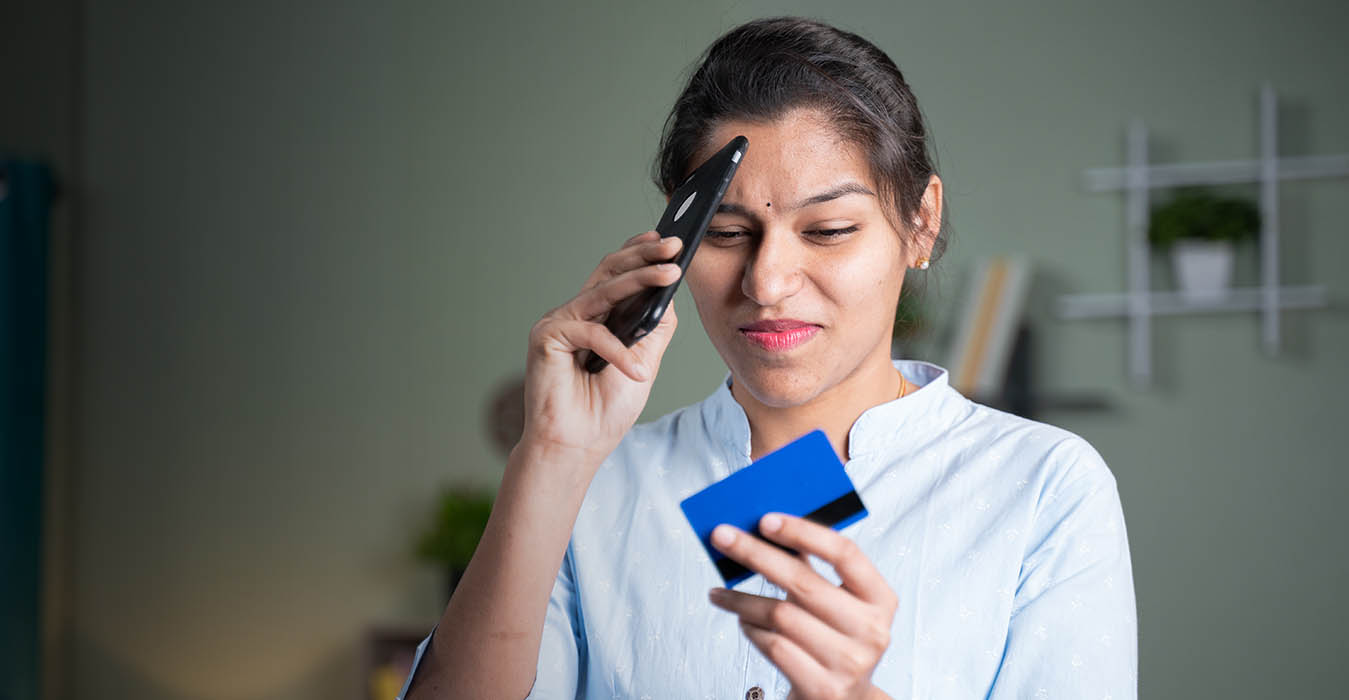
With a spurt in e-commerce, cyber threats loom large in our day-to-day activities. While we cannot forgo shopping online, we can do better to recognise a phishing attack and avert disaster.
In light of the current Covid-19 situation, many of us are staying at home more often and using online channels to purchase essential items and perform banking transactions. Cyber threats using Covid-19 themes persist as cyber criminals adapt to the current situation and develop enticing phishing lures.
Maybank Singapore's Virtual Banking team shares tips on how you can stay vigilant as well as protect yourself and your loved ones from scams.
1. Covid-19 scams
As pandemic concerns spike, scammers impersonate officials from government agencies, and especially organisations at the frontline of the Covid-19 response. This tactic mainly anchors around Covid-19-related information, advisories and directives purportedly from official sources.
What you can do is to verify any information received from emails, text messages and social media posts by checking trusted sources, such as legitimate government websites for up-to-date, fact-based information about the pandemic. Do not share your personal or banking information with anyone.
2. Impersonation scams
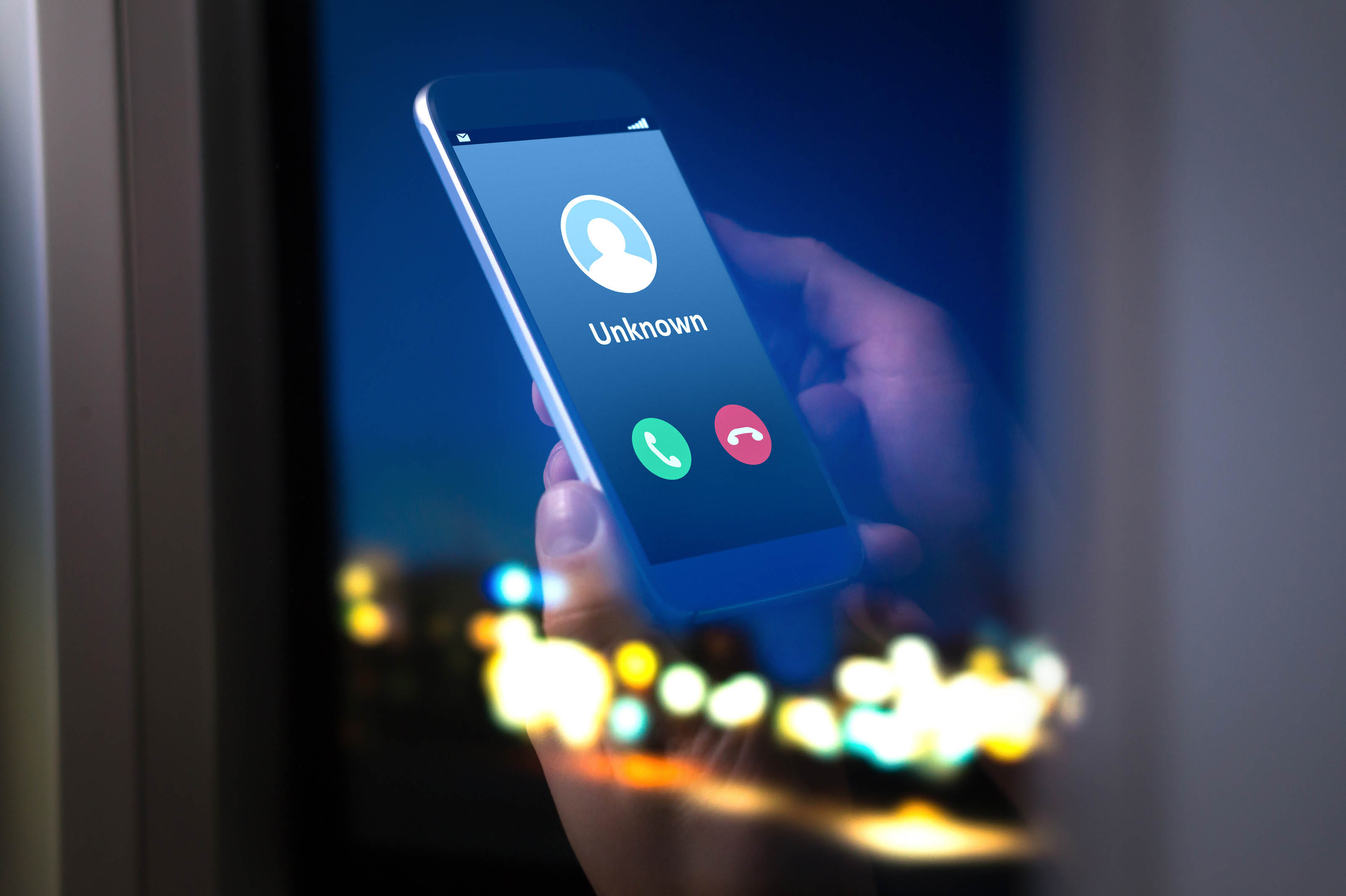
Online and phone scams are on the rise. Beware of scammers who purport to be staff from local telecommunication service providers or officers from government agencies offering technical support. No telecommunication service provider or government agency will request for your personal details or access to your online bank account over the phone or through automated voice machines.
When you receive unsolicited calls, do not panic and do not follow instructions to install applications, type commands into your computer or log onto your online banking accounts. You should call the official hotlines to verify the caller's authenticity. It is also a good practice to call a trusted friend or consult a relative before you act on such instructions. Follow the golden rule of not disclosing your Personal Internet Banking username, password, One-Time Password (OTP), banking account or credit/debit card details to anyone.
3. E-commerce scams
According to a news report, 2020 saw a record of 3,354 e-commerce scams, which was 19.1% more than 2019. Scammers leveraged Covid-19 themes as phishing lures to steal information and credentials.
Common scam transactions involved the sales of electronic gadgets, Covid-19-related items and personal accessories. Once the payment had been made, the scammers became uncontactable and the goods were not delivered.
Before making a purchase, read the reviews and ratings to check on the retailer's credibility. Use reputable e-commerce platforms which release payments only after the buyer has confirmed receipt of the delivery. Do not make advance payments to the retailers using alternative payment methods which are not usually used on the respective e-commerce platforms.
Tips to keep yourself safe:
- Stay alert and do not provide your online banking credentials to unfamiliar or unverified persons, including security token approval, bank account numbers, credit card details and One-Time Password (OTP).
- Always verify any dubious calls, emails or text messages with official sources.
- Ensure that your contact details such as your mobile number and email address are updated with the bank so that you are notified of your account activities in a timely manner.
- Do not respond or click on any links or attachments from unknown sources or suspicious email senders.
- Call Maybank immediately at 1800-MAYBANK (1800-629 2265) or (65) 6533 5229 (Overseas) if you notice any unauthorised transactions made to your account(s) or if you suspect that you have been a victim of fraud.

the bottom line:
Everyone is a target - always check before you reply. Linkedin
 Facebook
 Email
Email Whatsapp
 Telegram